Footer Excavation in Salt Lake City, UT
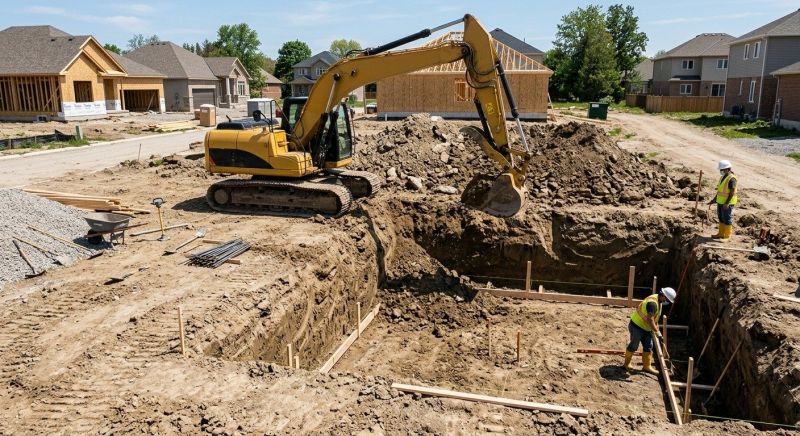
Footer excavation services involve the careful removal and preparation of soil around the foundation of a property to ensure proper support and drainage. These services are commonly requested for projects such as foundation repairs, basement waterproofing, or installing new footings. Property owners typically want to understand the scope of excavation needed, the impact on surrounding landscaping, and how the work will help improve the stability and longevity of their home’s structure.
Before requesting footer excavation, homeowners should consider the size and location of the area requiring work, as well as any existing underground utilities or obstacles. It’s also helpful to understand the overall purpose of the excavation, whether for repair, reinforcement, or new construction, to ensure the project meets the property’s needs. Clear communication about these details can assist in planning and ensure the work aligns with the property’s requirements.
Many property owners in Salt Lake City, UT look into Footer Excavation for repairs, replacements, upgrades, and appearance-related improvements.
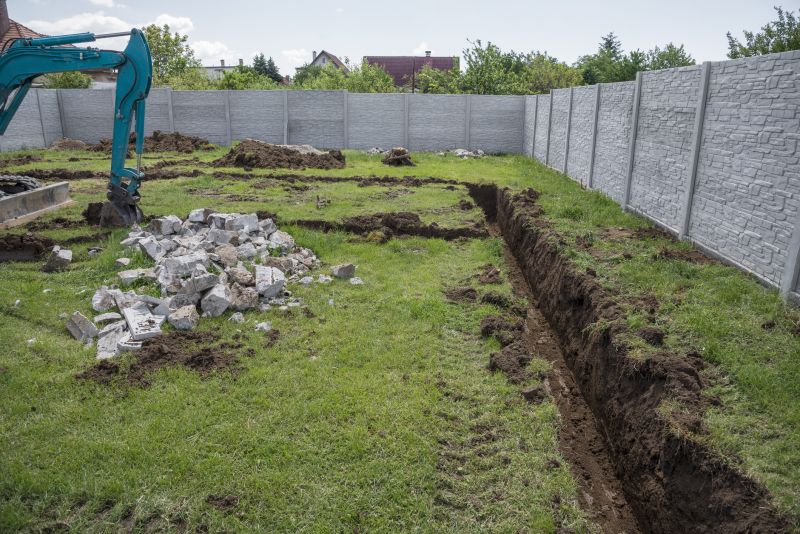
Foundation Support
Footer excavation provides a stable base for building foundations and structures.
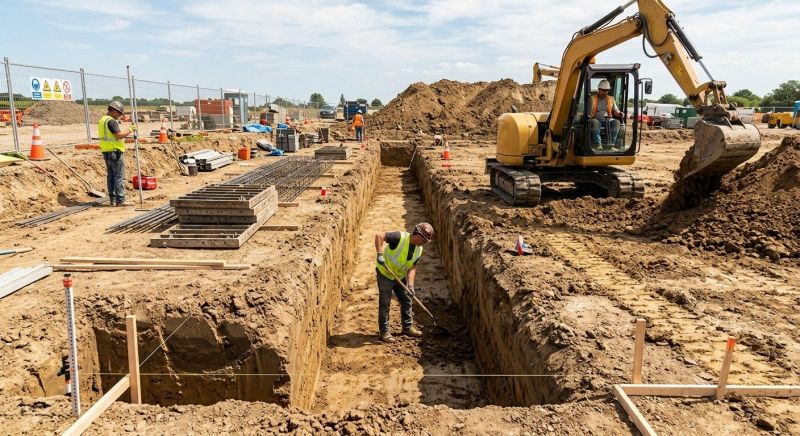
Land Clearing And Preparation
Removing and leveling soil helps prepare properties for construction or landscaping projects in salt lake city.

Drainage And Utility Access
Excavating footers allows for proper drainage installation and utility line placement on residential properties.
Footer Excavation in Salt Lake City, UT

Footer excavation services involve the careful removal and preparation of soil around the foundation of a property to ensure proper support and drainage. These services are commonly requested for projects such as foundation repairs, basement waterproofing, or installing new footings. Property owners typically want to understand the scope of excavation needed, the impact on surrounding landscaping, and how the work will help improve the stability and longevity of their home’s structure.
Before requesting footer excavation, homeowners should consider the size and location of the area requiring work, as well as any existing underground utilities or obstacles. It’s also helpful to understand the overall purpose of the excavation, whether for repair, reinforcement, or new construction, to ensure the project meets the property’s needs. Clear communication about these details can assist in planning and ensure the work aligns with the property’s requirements.
Many property owners in Salt Lake City, UT look into Footer Excavation for repairs, replacements, upgrades, and appearance-related improvements.
Common Footer Excavation Jobs
Foundation Excavation - prepares the site for new or repair work on building foundations.
Drainage System Installation - involves excavating trenches for proper water management around the property.
Basement Waterproofing - includes excavating around the foundation to install waterproof barriers.
Utility Line Burial - creates trenches for underground placement of water, gas, or electrical lines.
Landscape Grading - involves excavation to improve slope and drainage for yard stability.
Pool Excavation - prepares the ground for the installation of in-ground swimming pools.
Footer Excavation Questions
What is footer excavation used for? Footer excavation prepares the foundation area for new or existing structures, ensuring stability and proper support.
What types of projects require footer excavation? Projects such as foundation repairs, basement construction, and installing new support beams often need footer excavation.
How deep is footer excavation typically? The depth varies based on the project requirements, but it generally involves digging below frost lines to ensure stability.
What should property owners consider before footer excavation? It's important to assess soil conditions, underground utilities, and the scope of the project before excavation begins.
Request Footer Excavation in Salt Lake City, UT
Use the quote form on this page to share the basics of your project and request more information for the type of work you need.